
Session
Knowledge Graphs: Connecting Theory, Algorithms, and Applications
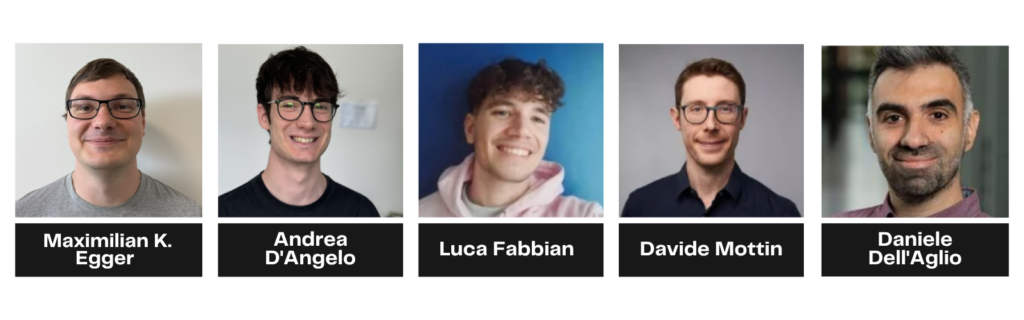
Organized by:
Thursday 8 October 15.15
Lead organizer: Maximilian K. Egger, Aarhus University
Knowledge graphs turn fragmented data into connected knowledge and are becoming critical infrastructure for AI applications. By linking entities, relationships, and context, they support integration, reasoning, analytics, and reliable AI across biomedicine, engineering, industry, and the humanities. This session brings theory, algorithms, and applications together through a panel discussion, minute madness presentations, and a plenary discussion.
The panel will bring together voices from research and practice and currently includes Alexander Rothmann Rasborg (Antire) and Eduard Kamburjan (IT University), who will discuss open challenges and opportunities in knowledge graph management, learning, NLP/LLMs, and real-world deployment. Participants will gain sharper problem framings and new collaboration opportunities across Denmark’s data science, AI, and digitalization community.
The session will combine a panel discussion and short one-minute presentations, followed by an open discussion between the panelists and the audience.
Introduction (5 minutes)
Welcoming to the audience, overview of the session goals, key themes in knowledge graphs.
Expert panel (50 minutes)
The panel brings together five experts from academia, industry and public sector. Each panelist provides a brief opening statement (3-5 minutes), outlining their perspective on key challenges and opportunities in knowledge graphs. It follows a moderated discussion (30 minutes) where panelists discuss questions on theory, algorithms and real-word applications.
Minutes of madness (15 minutes)
The participants and the panelists who registered present 1-minute talks showcasing a problem for which they seek collaborations.
Interactive discussion (20 minutes)
Participants engage with panelists and fellow attendees to exchange perspectives, open challenges, and identify shared challenges and opportunities. The interaction will be facilitated using engagement techniques such as live polling, think-pair-share, and prepared questions.
For the panel and the lightning talk, we plan to invite among the following profiles:
Intermediate: For attendees who have basic understanding or some experience with the subject but are not yet advanced.